Modern vehicle manufacturing has made passenger cars and light trucks more dependable than at any point in history. Engines easily surpass two hundred thousand miles with little more than regular synthetic oil changes, spark plug replacements, and routine filter swaps. Yet, tucked away inside your owner’s manual or hidden beneath the ambiguous term “filled for life,” there is an automotive system that remains consistently misunderstood and frequently neglected: the automatic gearbox. Many drivers assume that modern engineering eliminates the need to change or flush gearbox fluids, operating under the dangerous assumption that internal hydraulics require zero preventative intervention.
Understanding Fluid Chemistry and Hydraulic Wear Dynamics
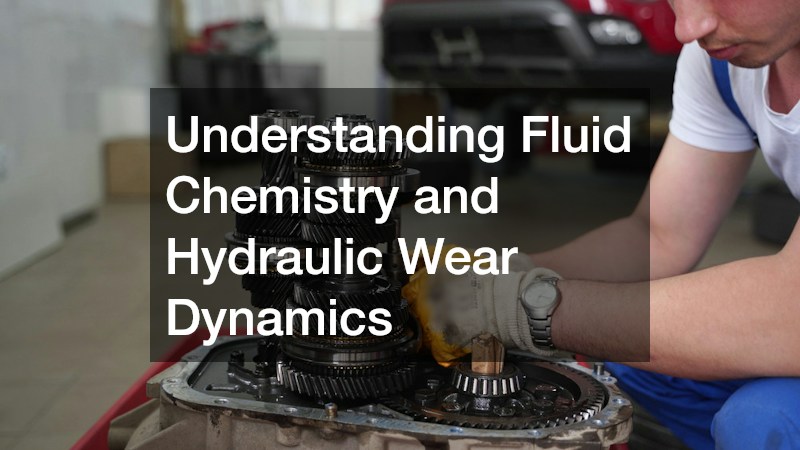
Automatic transmission fluid, commonly referred to as ATF, is an exceptionally complex chemical formulation. Unlike engine oil, which primarily serves to lubricate reciprocating metal parts and suspend combustion byproducts, transmission fluid must perform multiple distinct tasks simultaneously inside a closed environment. It operates as a hydraulic medium responsible for generating line pressure to engage gear sets, acts as a heat-transfer coolant circulating through dedicated external radiators, prevents corrosion across dissimilar metals, and provides precisely calibrated friction modification to allow clutch discs to slip smoothly before fully locking up.
Over thousands of operating cycles, severe mechanical shear and thermal stress alter the chemical structure of this fluid. When a vehicle idles in gridlocked traffic or hauls heavy payloads, internal fluid temperatures regularly spike past the ideal operating window of 175 to 200 degrees Fahrenheit. For every twenty-degree increase above two hundred degrees, the life expectancy of conventional transmission fluid is roughly cut in half. At elevated temperatures, additive packages—including anti-foaming agents, rust inhibitors, detergent dispersants, and viscosity index improvers—break down and oxidize rapidly.
When additive packages degrade, the fluid loses its ability to carry away heat and hold contaminants in suspension. This breakdown introduces distinct hazards to your daily transportation, turning what should be a comfortable, predictable drive into an unpredictable hazard. Sludge begins precipitating out of the oil, settling into the minute tolerances of the valve body. Because modern electronic transmissions utilize pulse-width modulated solenoids that manage hydraulic pressure down to microscopic tolerances, even a nominal layer of sticky varnish can cause a control valve to bind.
Furthermore, suspended friction material shed from wear plates acts like liquid sandpaper. As this gritty mixture circulates through the planetary gear sets, needle thrust bearings, and torque converter lockup mechanisms, it accelerates abrasive wear across every soft-metal surface it touches. Postponing a complete system flush allows these metallic and carbon abrasive suspended elements to continuously cycle through the system, eventually demanding an unscheduled visit to an auto repair facility for an invasive diagnostic tear-down.
Five Critical Warning Signs Drivers Routinely Overlook
Because transmissions rarely fail instantaneously without prior warning, listening to your car’s subtle mechanical cues can save you thousands of dollars. The initial symptoms of fluid deterioration are subtle, often mimicking tire imbalances, minor ignition misfires, or software mapping quirks. Learning to recognize these indicators before they escalate into hard mechanical failure is critical.
- Delayed Engagement Between Reverse and Drive: When you shift from Park into Drive or Reverse, the engagement should be smooth, crisp, and take less than one full second. If you experience an extended two-to-three-second pause before the transmission firmly grabs gear, hydraulic line pressure is bleeding off. Degraded fluid that has lost its viscosity, combined with hardened internal piston seals, prevents the hydraulic circuit from pressurizing the clutch drum quickly.
- Low-RPM Torque Converter Shudder: Often described by drivers as the sensation of driving over rumble strips at speeds between thirty-five and fifty miles per hour, this vibration typically points to failing lock-up clutch surfaces. Degraded friction modifiers in aged fluid prevent the torque converter clutch from locking cleanly against the front cover, causing it to rapidly slip and grab in micro-bursts.
- Persistent Shift Flaring: Shift flare occurs when engine revolutions briefly surge upward between gear changes, almost as if the car popped into neutral for a fraction of a second before slamming into the next gear. This is a clear indicator that the outgoing friction clutch has released before the incoming clutch has completely applied, directly attributable to contaminated fluid slowing down valve body response times.
- Uncharacteristic Whining or Buzzing Sounds: A clogged fluid intake screen or suction filter creates cavitation inside the internal pump. As the transmission pump attempts to draw thick, sludge-laden fluid from the bottom of the pan, air bubbles form and violently collapse, generating a distinct high-pitched whine that changes pitch with engine RPM.
When troubleshooting early shifting quirks or drivetrain vibrations, technicians frequently conduct a multi-point chassis inspection. Checking suspension geometry and performing an auto alignment can quickly confirm whether a highway vibration is purely a steering-track issue or an internal drivetrain shudder caused by failing fluid. Addressing these minor warning signs immediately prevents a modest maintenance requirement from morphing into a major car repair that leaves your vehicle stranded on the side of the road.
Evaluating the Options: Complete Exchange Versus Pan Drop
When motorists decide to service their transmission, they are often confronted with conflicting terminology. Independent shops, quick-lube centers, and dealership service lanes frequently recommend different approaches, leaving vehicle owners confused about whether they need a gravity drain-and-fill, a pan drop with filter replacement, or a complete mechanical fluid exchange. Understanding the technical nuances of each process helps you choose the correct service for your specific vehicle mileage and operating history.
A basic gravity drain involves unscrewing the transmission pan drain plug and letting fluid escape by gravity alone. While beneficial, this procedure only removes the fluid currently sitting inside the sump—typically three to five quarts out of a system that holds ten to twelve quarts. The remaining majority of the old, degraded fluid stays trapped inside the torque converter, internal clutch drums, valve body passages, and external transmission oil cooler circuits. Re-filling the pan essentially mixes brand-new fluid with contaminated, burnt oil, diluting the benefits of your service.
A complete mechanical fluid exchange, when performed correctly with a low-pressure exchange machine, connects directly into the transmission cooler lines. As the vehicle runs, the internal transmission pump pushes spent fluid out into the machine’s waste reservoir while simultaneously drawing an equivalent volume of clean, temperature-matched fluid back into the return line. This methodology ensures that virtually one hundred percent of the total fluid volume—including the oil suspended inside the torque converter and auxiliary cooler—is completely refreshed without subjecting internal components to unnatural pressure spikes.
Many drivers consult an auto dealer service department when evaluating fluid maintenance schedules, only to be told that the transmission is a sealed unit requiring no maintenance. It is important to realize that automotive manufacturers often define the “lifetime” of a vehicle as the warranty period, roughly sixty thousand to one hundred thousand miles. If your goal is to operate your automobile for two hundred thousand miles or longer, proactive fluid exchanges are mandatory.
Wise vehicle owners frequently bundle major fluid services with other routine undercarriage interventions. For example, scheduling your transmission fluid service alongside an auto brake repair maximizes shop hoist time and reduces diagnostic labor fees. While the wheels are removed and the braking calipers, rotors, and hydraulic lines are being inspected, the technician can simultaneously remove the transmission splash shields, drop the oil pan, clean the collection magnets, replace the internal filter screen, and set up the fluid exchange machine.
Financial Repercussions and Environmental Realities of Failure

To truly appreciate the value of routine fluid maintenance, one must examine the stark mathematical reality of an internal mechanical failure. When friction plates wear down to bare steel and circulate particulate matter through an automatic transmission, replacing a couple of worn clutches is rarely an option. Debris contaminates the entire hydraulic network, requiring a full system overhaul or a complete unit replacement.
Contrast the staggering costs of replacement against the modest cumulative cost of preventative maintenance. A standard fluid and filter service performed every forty-five thousand miles averages roughly two hundred and fifty dollars. Over a one-hundred-and-eighty-thousand-mile operating life, four preventative services cost approximately one thousand dollars in total. By investing that small amount incrementally, you eliminate the massive five-thousand-to-nine-thousand-dollar financial liability of an unexpected catastrophic failure.
Beyond the direct financial hit to your bank account, catastrophic component replacement carries a substantial environmental toll. An automatic transmission case, bellhousing, valve body casing, and internal planetary carrier hubs are composed primarily of cast aluminum alloys. When a transmission fails catastrophically, these complex components are condemned to scrap processing streams. While modern industrial facilities rely heavily on aluminum recycling to melt down, purify, and re-cast ruined transmission housings back into usable raw ingots, the industrial remelting process consumes vast amounts of electrical and thermal energy compared to simply preserving the original factory component through basic lubrication maintenance.
Vehicle owners routinely prioritize visible repairs to maintain curb appeal and safety, promptly scheduling small cosmetic fixes or auto glass repairs whenever a pebble chips their windshield on the interstate. Yet, treating internal mechanical systems with that same degree of diligence is what truly safeguards the vehicle’s underlying utility. A pristine vehicle body with flawless glass is useless if the drivetrain sitting beneath the passenger cabin cannot transfer mechanical power to the drive wheels.
Establishing an Effective Long-Term Drivetrain Maintenance Routine
Developing a reliable maintenance routine requires moving beyond generic rules of thumb and matching your service intervals to your specific vehicle usage profile. Modern automatic transmissions, continuously variable transmissions (CVTs), and dual-clutch transmissions (DCTs) place vastly different mechanical demands on their fluid formulations.
First, determine whether your daily driving habits fall under standard or severe operating conditions. Most drivers are surprised to learn that their daily routine qualifies as severe service under manufacturer guidelines. Severe duty includes:
- Frequent short trips of less than ten miles where the drivetrain does not reach steady-state operating temperatures.
- Extensive low-speed idling in urban rush-hour traffic or commercial delivery routes.
- Operation in dusty environments, unpaved gravel roads, or regions with severe seasonal road salt usage.
- Towing recreational trailers, mounting hitch cargo boxes, or carrying full passenger capacities on a regular basis.
- Driving in mountainous terrain involving prolonged uphill climbing and engine-braking descents.
If your driving meets any of these criteria, you should reduce your fluid service intervals by approximately thirty to forty percent. For a vehicle with an eighty-thousand-mile standard service recommendation, severe driving conditions dictate a complete fluid and filter renewal every forty-five thousand to fifty thousand miles. For continuously variable transmissions that rely on high-friction fluid to prevent steel belt slippage against conical pulleys, that interval should be tightened to every thirty thousand to thirty-five thousand miles without exception.
Furthermore, make fluid inspection an integral element of your seasonal vehicle maintenance protocol. If your vehicle features an under-hood transmission dipstick, inspect the fluid condition every spring and autumn:
- Park the vehicle on a level surface, allow the engine to idle up to normal operating temperature, and cycle the gear selector through each gear position before returning to Park.
- Pull the dipstick, wipe it clean on a pure white, lint-free paper towel, reinsert it fully, and withdraw it once more.
- Observe the coloration: a bright pinkish-red or clear golden tone indicates healthy fluid. A murky, brownish hue suggests early thermal oxidation. Black fluid with visible soot or carbon indicates advanced breakdown.
Maintaining meticulous documentation of these preventative fluid services yields substantial financial dividends when the time comes to sell or trade your car. Savvy used-car buyers and professional appraisers look past fresh paint and clean upholstery, closely scrutinizing maintenance booklets for evidence of major mechanical fluid changes. While scheduling an appointment with a car detailing service can restore the visual luster of your paintwork and remove interior stains, presenting a stamped logbook showing regular transmission flushes, differential fluid changes, and coolant renewals proves the vehicle was maintained with true mechanical discipline.
Protecting your vehicle’s market value is a multi-faceted discipline. Pairing cosmetic preservation—such as seasonal paint corrections and protective interior treatments from reputable car detailing services—with rigorous mechanical care guarantees that your vehicle delivers dependable service throughout your ownership and commands top dollar when you decide to transition to your next automobile.
Balancing Preventative Care Against Catastrophic Inconvenience
The financial logic governing automotive maintenance is remarkably simple: you can pay a modest, predictable fee for preventative care today, or you will pay a massive, disruptive fee for emergency repairs tomorrow. An automatic transmission is one of the most intricate mechanical devices found in modern engineering, harmonizing hundreds of precision-machined hydraulic spool valves, clutch packs, planetary gears, and electronic sensors within a single sealed housing.
Relying on the myth of lifetime fluids is a dangerous gamble that consistently ends in premature mechanical failure. By understanding the physical forces that degrade internal lubricants, learning to detect early warning signs such as shift flare and converter shudder, and implementing a consistent fluid exchange schedule tailored to your real-world driving conditions, you eliminate the risk of a four-figure repair bill. Check your vehicle’s maintenance logs, inspect your fluid condition, and treat your gearbox with the preventative care it deserves.