Driving on a scorching summer afternoon presents a completely different set of challenges for your vehicle than braving an ice-slicked winter morning. As seasons shift, extreme temperatures, changing road conditions, and environmental elements test every system in your car, truck, or SUV. The blistering heat of July can boil engine fluids and degrade rubber components, while the freezing temperatures of January reduce battery capacity and strain heating systems.
By implementing a proactive, twice-yearly maintenance routine, you can safeguard your vehicle against seasonal wear and tear. This comprehensive guide breaks down the essential steps required to prepare your vehicle for both summer heat and winter freezing, protecting your safety on the road while preserving performance and resale value.
High Heat and Your Engine: Managing Thermal Stress
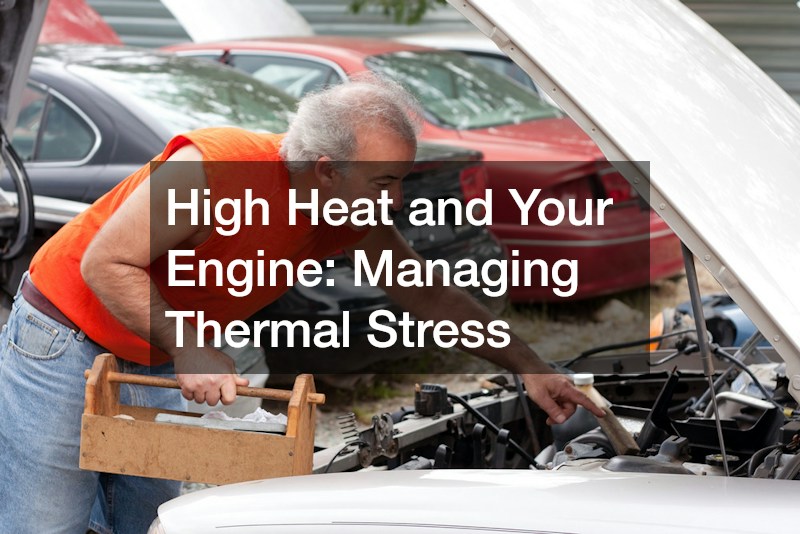
Engine coolant, or antifreeze, does more than prevent freezing in the winter; it raises the boiling point of the water in your cooling system and prevents internal corrosion. Over time, coolant degrades, losing its chemical effectiveness and becoming acidic.
-
Coolant Concentration: Check that your coolant mix is at a 50/50 ratio of antifreeze to distilled water, which provides protection against boiling up to roughly 265°F (when using a standard radiator cap).
-
System Flushing: If your coolant appears murky, rusty, or has not been changed in over 30,000 to 50,000 miles, perform a complete cooling system flush to clear out rust particles and sediment.
-
Hose and Belt Inspection: Squeeze radiator hoses when the engine is cool. They should feel firm yet flexible. If they feel soft, spongy, or excessively brittle, replace them immediately to avoid a mid-drive blowout.
-
Radiator Maintenance: Inspect the front of the radiator for trapped leaves, insects, and dirt. Clean the fins gently with a soft brush or low-pressure water spray to ensure maximum airflow.
Maintaining Your HVAC System for Maximum Cabin Airflow
A functioning air conditioning system is a safety feature during extreme heat, preventing driver fatigue and heat exhaustion.
Start by testing the temperature coming from your dashboard vents. If the air is warm or takes a long time to cool down, your system may have a refrigerant leak or require a recharge. Listen closely when turning on the A/C; a clicking noise or screech from under the hood can point to a worn compressor clutch or a slipping serpentine belt.
In addition to refrigerant levels, cabin air filters play a vital role in A/C efficiency. Located behind the glove box or under the hood, this filter traps pollen, dust, and debris. A clogged cabin air filter restricts airflow into the passenger compartment, causing the A/C blower motor to work harder, overheat, and potentially fail prematurely. Replace this filter every 12,000 to 15,000 miles, or sooner if you frequently drive on dusty roads.
Extreme summer heat amplifies underlying problems within your exhaust system. High ambient temperatures raise the baseline operating temperature of catalytic converters, mufflers, and exhaust pipes, which already operate at elevated heat levels.
Corrosion caused by winter road salt often sits undetected during spring, only to weaken exhaust hangers and seals as metals expand under intense summer heat. Leakage in the exhaust line reduces engine efficiency, decreases fuel economy, and allows harmful gases like carbon monoxide to leak into the passenger cabin.
If you notice a sudden deep roaring sound during acceleration, hear rattling under the vehicle, or smell sulfur gas while driving, seek out a qualified professional for local auto exhaust repair. Catching a loose heat shield or a small pinhole leak early prevents costly catalytic converter damage and protects the overall health of your engine. Keeping up with routine auto repair ensures that small exhaust and performance glitches are resolved before they cause major breakdowns during hot summer drives.
Protecting Exterior Surfaces Against UV Ray Exposure
Direct sunlight breaks down clear coats, dulls automotive paint, and degrades plastic trim over time. UV rays cause oxidation, turning rich paint colors dull and chalky.
-
Thorough Washing: Wash your car regularly in a shaded area using a pH-balanced car wash soap to remove bug sap, bird droppings, and tree pollen, all of which bake into the paint under direct sunlight.
-
Synthetic Sealants and Ceramic Coatings: Apply a high-quality polymer sealant or ceramic coating before summer hits peak temperatures. These products create a protective layer that reflects UV radiation and repels water.
-
Paint Protection Film (PPF): Consider installing a clear paint protection film over high-impact areas like the front bumper, hood, and side mirrors to guard against stone chips and road debris. Applying quality vehicle paint protection preserves the factory finish, prevents premature clear-coat failure, and maintains the value of your car over years of exposure.
Summer heat creates ideal conditions for small windshield chips to expand into long, unrepairable cracks. When a car sits in direct sunlight, the outer surface of the glass can reach temperatures well over 140°F. If you enter the vehicle and turn on the air conditioning at full blast, the dramatic temperature differential between the scorching exterior glass surface and the freezing interior surface places tremendous thermal stress across the panel.
Small stone chips weaken the structural integrity of laminated safety glass. Addressing these imperfections right away using specialized windshield repair services allows technicians to inject clear resin into the chip, restoring structural stability and optical clarity without needing a full glass replacement. Taking care of small chips promptly keeps minor glass damage from turning into a safety hazard on the road.
Inspecting Tires for Summer Heat Expansion
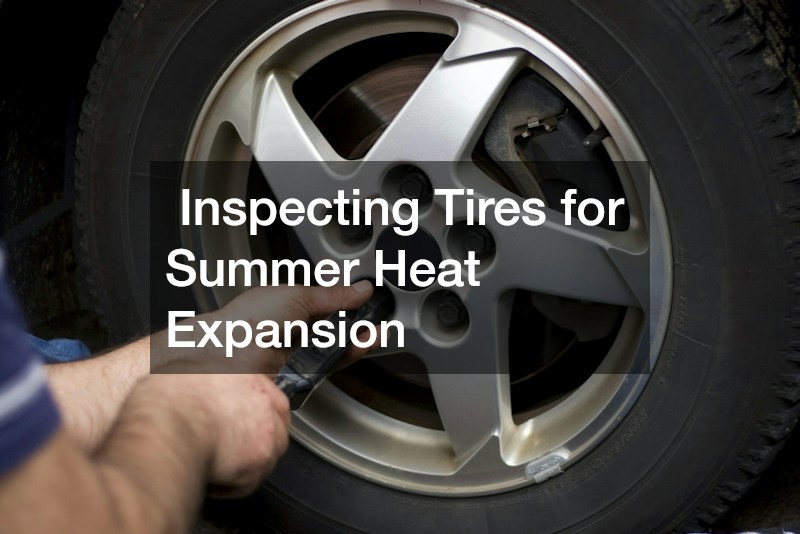
Tires suffer significant wear during hot summer months. As air inside the tire heats up, it expands, causing internal tire pressure to rise by roughly 1 PSI for every 10°F increase in temperature.
Driving on overinflated tires reduces the contact patch with the road, leading to harsh ride quality, premature center-tread wear, and reduced traction during sudden summer rainstorms.
-
Check tire pressures at least once a month when the tires are cold, meaning the car has been parked for at least three hours or driven less than a mile.
-
Always match the inflation pressure to the manufacturer’s recommended specification found on the driver-side door jamb sticker, not the maximum pressure molded into the tire sidewall.
-
Inspect tread depth using a tread depth gauge or a coin test. If tread depth measures less than 2/32 inches, your tires must be replaced to prevent hydroplaning on wet summer highways.
Braking systems operate on friction, converting kinetic energy into heat. During hot summer weather, braking systems struggle to dissipate this extra thermal buildup, leading to a condition known as brake fade.
Brake fluid is hygroscopic, meaning it absorbs moisture from the surrounding air over time. As moisture content increases, the boiling point of the brake fluid drops significantly. Under heavy braking—such as driving down a steep mountain pass in mid-July—water in contaminated fluid can vaporize, turning into gas bubbles. Because gas compresses easily under pressure, the brake pedal may feel soft or sink to the floor, reducing stopping power.
Inspect your brake pads to ensure they have at least 3/32 to 4/32 inches of friction material remaining. Check the brake rotors for signs of heat spots, surface glazing, or warping, which cause steering wheel vibrations during braking. Scheduled auto brake repair—including flushing old brake fluid every two years and replacing worn pads or warped rotors—keeps your stopping system reliable during heavy summer use.
Specialized Summer Care for Precision German Engineering
European vehicles feature tight tolerances, high-compression engines, and complex cooling setups that require strict maintenance schedules, especially in extreme weather.
-
Turbine and Turbocharger Cooling: Modern turbocharged engines rely heavily on clean oil and functional auxiliary cooling pumps to dissipate extreme temperatures after the engine is shut down.
-
Plastic & Composite Degradation: Under-hood components in European cars often use high-grade plastics for cooling pipes, oil filter housings, and thermostat housings, which become brittle after years of thermal cycling.
-
Fluid Specifications: Always use manufacturer-approved synthetic oils and specific coolant formulations (such as silicate-free HOAT or OAT coolants) designed to protect multi-metal engine blocks.
Owners seeking reliable volkswagen repairs must ensure that service technicians use factory-approved diagnostic tools and OEM components. The intricate electronic sensor networks and specialized cooling valves on these vehicles leave little room for error when ambient temperatures spike.
While winter gets the reputation for killing car batteries, high summer heat causes the underlying damage that leads to winter failures. Extreme heat accelerates internal chemical reactions within lead-acid batteries, causing water from the liquid electrolyte solution to evaporate.
Evaporation exposes the internal lead plates, leading to internal short circuits and accelerated grid corrosion. Clean any white or blue powdery corrosion from the battery terminals using a mixture of baking soda and water applied with a wire brush. Have a technician perform a conductance test to measure cold-cranking amps (CCA) and internal resistance. If your battery is over three to four years old, replacing it before the summer heat completely dries it out prevents sudden failures in parking lots or along highway shoulders.
Repairing Exterior Damage Before Corrosive Winter Road Salt Hits
Driving through late-autumn dampness and impending winter slush creates a severe corrosion risk for vehicles with exposed metal surfaces. Scratches, small dents, torn underbody shields, or chipped paint eliminate the protective clear coat and primer layer, exposing bare steel to moisture and oxygen.
When road maintenance crews spread sodium chloride (rock salt) or magnesium chloride brine on roads during winter, these chemicals mix with water to create a corrosive solution. This salt solution accelerates metal oxidation, turning minor paint chips into severe rust spots in a single winter season.
Visiting a reputable bodywork shop during late autumn allows technicians to treat rust spots, seal bare metal surfaces with OEM-matched primer and paint, and apply protective undercoatings. Treating minor structural scratches and panel gaps before winter keeps brine solutions from rusting structural steel from the inside out.
Minor fender benders in wet autumn leaves can cause hidden structural damage that undermines vehicle safety in winter conditions. Even low-speed impacts can push bumper reinforcements out of alignment, damage suspension pickup points, or misalign Advanced Driver Assistance Systems (ADAS) like radar sensors and camera systems used for automatic emergency braking and lane-keeping assistance.
A misaligned vehicle frame or bent suspension arm creates uneven weight distribution across the tires, drastically reducing traction on icy or snow-covered roads.
Following any autumn collision, seeking professional collision repairs is essential for verifying structural alignment on a dedicated frame rack. Technicians ensure energy-absorbing crash zones remain intact, modern safety sensors are calibrated properly, and structural panels are aligned to seal out moisture and road salt.
Autumn Fluid & Lighting Checklist
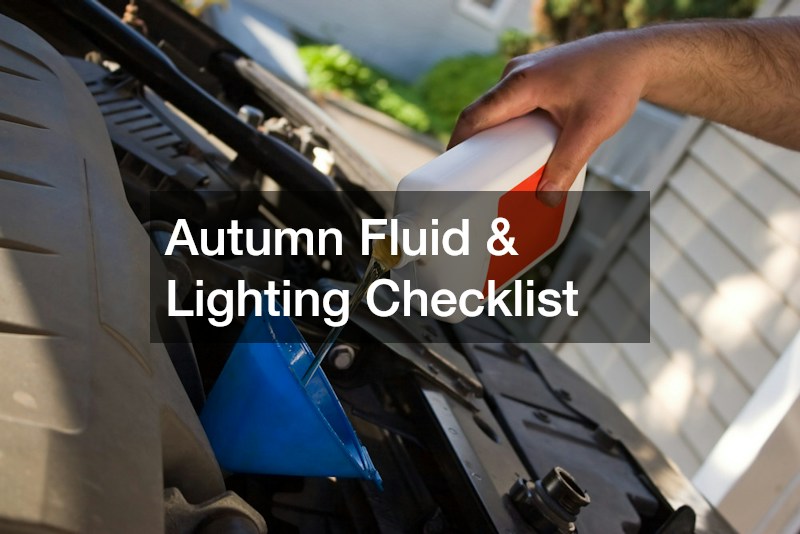
As daylight hours shorten and nighttime temperatures drop, visibility becomes a priority. Autumn is the time to perform simple swap-outs that prevent winter headaches:
-
Drain Summer Washer Fluid: Drain summer-formula windshield washer fluid—which is primarily water and bug solvent—and replace it with a winter-grade fluid rated for -20°F or lower. Summer fluid freezes solid in the reservoir tank, lines, and spray nozzles when the temperature drops, potentially bursting the fluid pump.
-
Restore Headlight Lenses: Polycarbonate headlight lenses yellow and cloud over time due to UV exposure. Use a headlight restoration kit to sand away oxidized plastic, polish the lens, and apply a UV-blocking clear coat. Clear, bright headlights drastically improve nighttime visibility during dark autumn and winter commutes.
-
Inspect Exterior Lighting: Walk around your vehicle while a helper steps on the brakes, activates turn signals, and switches on reverse lights. Replace any burnt-out bulbs immediately.
Winter conditions place severe physical strain on auto glass. Cranking your interior defroster to high heat on an icy morning causes rapid thermal expansion on the inner layer of glass, while the outer layer remains frozen. This thermal shock causes existing glass chips to turn into long cracks that spread across the windshield.
Proper glass maintenance and windshield repairs keep safety glass intact throughout severe freezing cycles. Injecting resin into tiny chips before temperatures drop below freezing seals out water, which would otherwise expand as it freezes and break the glass apart.
Additionally, avoid using brass or metal scrapers on safety glass, and never pour hot water on a frozen windshield—the extreme thermal shock will crack the glass instantly. Replace worn wiper blades with heavy-duty winter beam blades, which feature a sealed rubber boot that prevents snow and ice from clogging the blade frame.
Suspension, Steering, and Road-Traction Management
Your vehicle’s suspension system maintains continuous contact between the tires and the road surface. In winter, this job becomes much harder as roads develop severe potholes, frost heaves, and packed ice ruts.
Worn shock absorbers, leaking struts, or damaged control arm bushings allow the tires to bounce over bumps rather than staying firmly planted on the pavement. On icy roads, a bouncing tire loses traction completely, increasing stopping distances and causing steering instability.
Scheduling professional auto suspension services before winter ensures that ball joints, tie rod ends, sway bar links, and shocks are in top shape. A tightly tuned suspension system allows your vehicle’s anti-lock braking system (ABS) and electronic stability control (ESC) to respond quickly to sudden slides on icy roads.
Tires are the only contact point between your vehicle and the road. As ambient temperatures drop, tire pressures decrease by roughly 1 PSI for every 10°F drop in temperature. Driving on underinflated tires in winter causes sluggish steering response, excessive edge wear, and increased rolling resistance.
-
All-Season Tire Limitations: Standard all-season tread compounds begin to harden and lose flexibility when temperatures drop below 45°F, significantly reducing grip even on dry pavement.
-
Dedicated Winter Tires: Dedicated winter tires utilize specialized hydrophilic rubber compounds that remain soft and pliable in sub-zero temperatures.
-
Tread Design Benefits: Winter tires feature deep directional tread patterns and thousands of microscopic sipes (slits) that compress snow into the tread grooves to create snow-on-snow traction and bite into smooth ice.
Cold-Weather Cranking and Lubrication Optimization
When ambient temperatures drop below freezing, conventional motor oil thickens, flowing slowly through internal engine passages. During a cold start, it can take several crucial seconds for thick oil to reach critical upper valvetrain components, causing severe metal-on-metal wear.
-
Viscosity Selection: Check your owner’s manual for recommended low-viscosity winter oil grades (such as using a 0W-20 formulation in place of heavier summer grades if approved by the manufacturer).
-
Full Synthetic Fluids: Synthetic oils flow much faster at low temperatures than conventional mineral oils, providing immediate startup lubrication to bearings, camshafts, and turbocharger shafts at sub-zero temperatures.
-
Diesel Fuel Additives: If you drive a diesel vehicle, treat your fuel tank with an anti-gel additive whenever severe freezing weather is forecasted. Diesel fuel contains naturally occurring paraffin wax, which crystallizes and gels in cold temperatures, clogging fuel filters and starving the engine of fuel.
Assembling the Ultimate Vehicle Emergency Kit
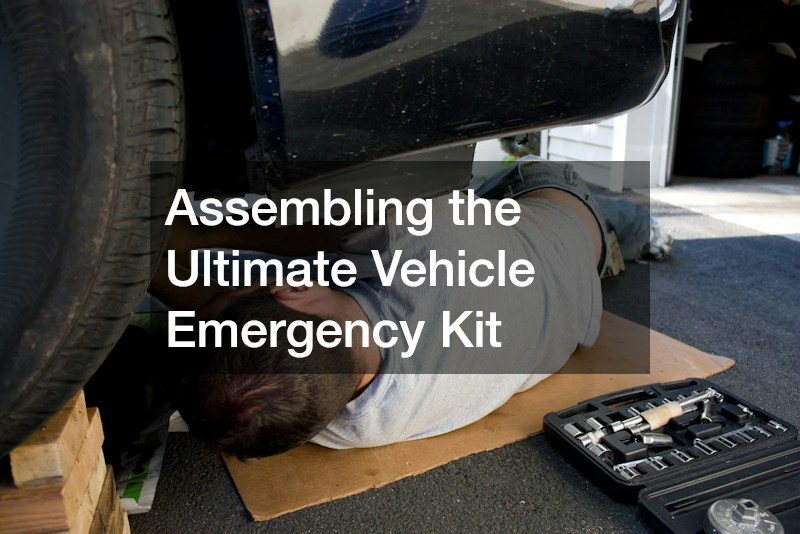
Even with diligent maintenance, severe winter weather can present unpredictable hazards, including icy ditch slide-offs, sudden blizzard closures, or unexpected mechanical failures. Keeping a well-stocked emergency kit in your trunk provides peace of mind and protection if you become stranded in remote areas.
-
Traction and Recovery Tools: Heavy-duty jumper cables or a portable lithium-ion jump starter pack, a compact folding snow shovel, a bag of non-clumping kitty litter or sand for tire traction, and a tow strap.
-
Visibility & Signaling: A bright LED flashlight with extra batteries, roadside LED flares or safety triangles, and a high-visibility reflective vest.
-
Warmth & Survival Gear: Heavy wool blankets or thermal space blankets, extra winter gloves, knit hats, hand warmers, waterproof boots, and high-energy non-perishable food items like nuts or protein bars.
Verify that your spare tire is inflated to its proper pressure before heading out on winter trips—a flat spare tire offers no help on a frozen shoulder. Keep your fuel tank at least half full throughout winter to prevent moisture condensation from forming inside the fuel lines and freezing solid.
While simple checks like monitoring tire pressures, topping off washer fluids, and cleaning battery terminals are easy to do at home, critical structural repairs, brake overhauls, glass resin injections, and complex engine diagnostics require trained professionals. Stay proactive with your maintenance schedule to enjoy safe, trouble-free driving through summer heatwaves and winter snowstorms alike.