
Modern vehicles are designed with increasingly sophisticated systems, and Subaru models are no exception. From advanced all-wheel-drive components to electronically controlled safety features, diagnosing and correcting a serious mechanical issue often requires more than general automotive knowledge. While some basic maintenance tasks can be handled at home, complex Subaru auto repair is best left to trained professionals with the proper tools, equipment, and technical expertise.
Attempting a major repair without a complete understanding of the vehicle can lead to incorrect diagnoses, damaged components, or additional safety concerns. Professional technicians can evaluate the entire system, identify the actual source of a problem, and complete repairs according to appropriate procedures.
Understanding why professional service matters can help drivers make better decisions when their vehicle develops a complicated mechanical or electrical issue.
Accurate Diagnostics Require Specialized Knowledge
Modern Subaru vehicles contain interconnected mechanical, electrical, and computer-controlled systems. A warning light or unusual symptom may point to several potential causes, making an accurate diagnosis more complicated than simply replacing the part that appears to be malfunctioning. For example, an engine performance issue could involve the ignition system, fuel delivery, sensors, wiring, or an underlying mechanical problem.
Professionals use diagnostic equipment and technical information to gather data from the vehicle and narrow down possible causes. Instead of relying entirely on trial and error, they can analyze trouble codes, test individual components, and compare their findings with the vehicle’s specifications. This structured approach can reduce the risk of replacing functional parts while overlooking the actual issue.
Specialized knowledge is particularly important when working on systems with unique designs or configurations. Subaru’s horizontally opposed engine and symmetrical all-wheel-drive system have specific service requirements that technicians must understand before performing major work. An experienced professional knows how different components interact and can recognize problems that may not be immediately obvious during a basic inspection.
Complex Repairs Depend on Proper Tools and Procedures
Many advanced repairs require equipment that is not commonly found in a home garage. Lifting and supporting a vehicle safely, testing electronic systems, measuring internal engine components, and servicing drivetrain parts may all require specialized tools. Using improper equipment can damage expensive components or create hazardous working conditions.
Professional repair facilities are equipped to handle jobs that involve precise measurements and manufacturer-recommended procedures. Torque specifications, calibration requirements, fluid types, and installation sequences can all affect how a repaired system performs. A component may physically fit into place but still fail to operate properly if it is installed incorrectly or adjusted without the necessary equipment.
Professionals also understand when related components should be inspected during a major repair. For instance, repairing one part of a drivetrain or engine system may provide an opportunity to evaluate nearby seals, hoses, bearings, or connections. Addressing legitimate concerns during the same service can help reduce the likelihood of immediately needing another complex Subaru auto repair.
Professional Service Helps Protect Vehicle Performance and Safety
A complicated repair can affect more than the system that originally showed signs of trouble. Engine, braking, steering, suspension, and drivetrain components all contribute to how a vehicle performs on the road. An improperly completed repair could affect handling, reliability, fuel efficiency, or the vehicle’s ability to respond predictably in different driving conditions.
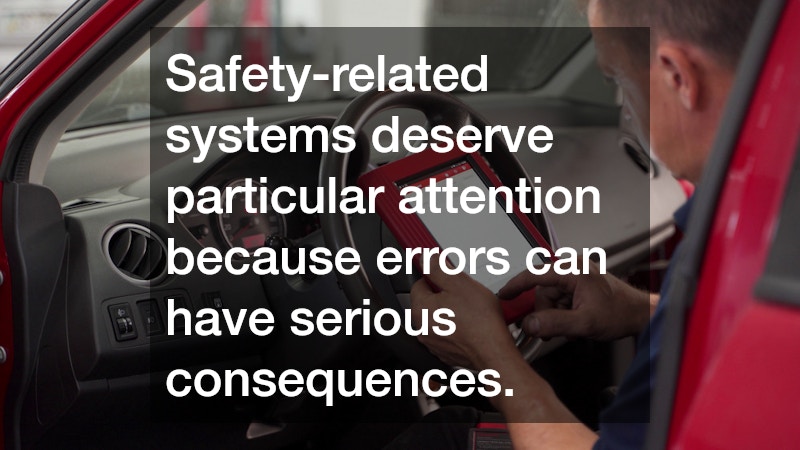
Safety-related systems deserve particular attention because errors can have serious consequences. Modern vehicles may use electronic controls alongside traditional mechanical components to support braking, stability, traction, and other functions. Professional technicians have the knowledge needed to inspect these systems properly and confirm that repairs have been completed correctly before the vehicle returns to regular use.
Professional service also provides greater accountability throughout the repair process. A reputable facility can document its findings, explain recommended work, and answer questions about the condition of the vehicle. When dealing with a complicated problem, this level of expertise and communication can make Subaru auto repair less stressful while helping drivers understand the work being performed.
Complex automotive problems rarely have simple solutions, especially when multiple systems are involved. Although basic maintenance can be a rewarding task for knowledgeable vehicle owners, major mechanical and electrical repairs require specialized training, diagnostic capabilities, and proper equipment. Choosing to hire a professional for service can help reduce the risk of misdiagnosis, installation errors, and unnecessary damage.