Vehicle ownership is a journey that requires consistent attention to maintain its value, safety, and functionality over time. Whether you are dealing with a small scratch from a stray shopping cart or a major engine failure on the highway, understanding how to address damage is an essential skill for every driver. Vehicle damage can range from purely aesthetic issues to critical mechanical problems that compromise roadworthiness and occupant safety. Proper management involves a combination of preventative care and knowing when to call in specialized professional help for complex restoration tasks.
Restoring Damaged Safety Glass
Visibility is perhaps the most critical factor for safe driving, making the condition of your glass a top priority for any owner. Small chips and cracks can quickly spread due to temperature changes or road vibrations, turning a minor fix into a full glass replacement. Professional windshield services are specifically designed to address these issues before they become dangerous or impede the driver’s view of the road ahead. Technicians use specialized resins to fill chips, restoring the structural integrity of the glass and preventing the need for more expensive repairs.
Ignoring minor glass damage can lead to significant safety risks, as the windshield provides structural support for the vehicle’s roof during a rollover accident. Modern vehicles also often house sensors for advanced driver-assistance systems behind the glass, which requires precise calibration during any repair. Ensuring that your glass is clear and intact is not just about aesthetics; it is a fundamental part of maintaining the vehicle’s overall safety rating. Timely intervention ensures that your car stays street-legal and that you and your passengers remain protected in all driving conditions.
Navigating Post-Collision Legalities

When a major collision occurs, the physical damage to the vehicle is often accompanied by complex legal and liability questions that must be resolved. Determining who is at fault and ensuring that all medical and repair expenses are covered requires a thorough understanding of local traffic laws. Consulting with an auto accident attorney can provide the necessary guidance to navigate insurance disputes and seek fair compensation for all related damages. These professionals specialize in gathering evidence and negotiating with adjusters to ensure that your rights are protected throughout the recovery process.
Major vehicle damage often leads to substantial financial loss, and legal experts help mitigate these risks by handling communication with all involved parties. They can assess the long-term impact of the accident, including diminished vehicle value and future repair needs that may not be immediately apparent. By involving legal counsel early, you can focus on personal recovery while the technical and financial details of the claim are managed expertly. This proactive approach is essential for resolving disputes efficiently and securing the funds needed to restore your vehicle to its pre-accident condition.
Securing Reliable Financial Protection
The high cost of modern vehicle repairs makes having a robust insurance policy a necessity for every vehicle owner on the road today. Finding the right balance between comprehensive coverage and monthly premiums is a challenge that requires careful research and comparison of different providers. Many drivers seek out affordable car insurance companies that offer flexible plans tailored to their specific driving habits and vehicle types. Quality insurance ensures that even minor fender benders don’t result in significant out-of-pocket expenses that could derail your personal finances.
Managing vehicle damage is much easier when you have the backing of a reputable insurance carrier that offers a smooth claims process. Beyond basic liability, comprehensive and collision coverage provide protection against theft, natural disasters, and accidents where you may be at fault. Maintaining a good driving record and choosing higher deductibles are common strategies used to keep policy costs low while retaining essential protection. Having the right coverage gives you the confidence to address repairs immediately, preventing small issues from escalating into major mechanical problems over time.
Rejuvenating External Surface Aesthetics
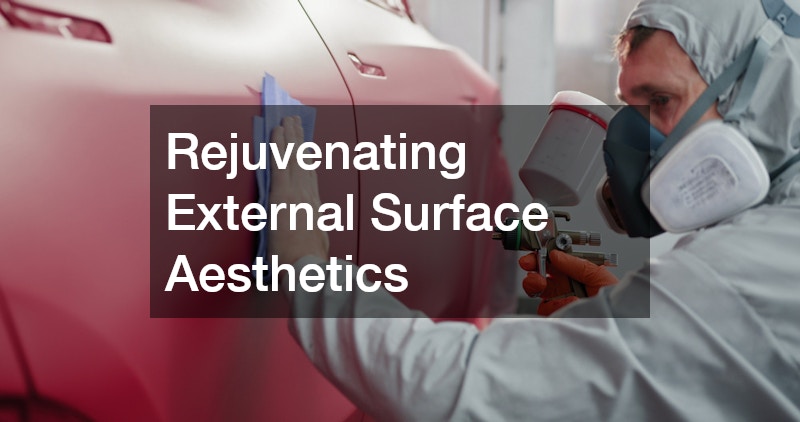
Over time, every vehicle is subjected to environmental hazards like bird droppings, road salt, and harsh sunlight that can damage the exterior finish. These elements cause oxidation and swirl marks that make even a relatively new car look aged and neglected. A specialized process known as auto paint correction is used to remove these imperfections by carefully leveling the clear coat to restore a mirror-like shine. This method is far more effective than simple waxing, as it addresses the underlying damage to the paint surface itself.
Maintaining a pristine exterior is vital for preserving the resale value of your vehicle and protecting the underlying metal from rust and corrosion. Small scratches and chips should be addressed quickly to prevent moisture from reaching the body panels and causing expensive structural damage. Modern paint technology allows for incredibly precise matching, ensuring that any touch-ups or correction work blends perfectly with the original factory finish. Investing in professional paint care ensures your vehicle continues to look its best while standing up to the rigors of daily driving.
Replacing Major Internal Components
When the internal drivetrain of a vehicle fails, the cost of repair can often exceed the actual market value of the car itself. In cases where the gearbox or motor is beyond simple repair, sourcing parts from a transmission wholesale company can be a cost-effective way to get back on the road. These suppliers offer both new and remanufactured units that provide reliable performance at a fraction of the cost of parts ordered through a standard dealership. This approach allows owners to extend the life of an older vehicle without breaking their budget.
Major mechanical repairs require a high level of precision and the right parts to ensure the vehicle remains safe and reliable for the long haul. Replacing a transmission is a labor-intensive process that involves complex electronics and heavy mechanical assemblies that must be perfectly aligned. By using wholesale parts, you can allocate more of your repair budget to skilled labor, ensuring the installation is done correctly and according to factory specifications. This strategy is particularly effective for high-mileage vehicles that are otherwise in good condition and worth saving.
Maintaining Specialized Performance Engineering
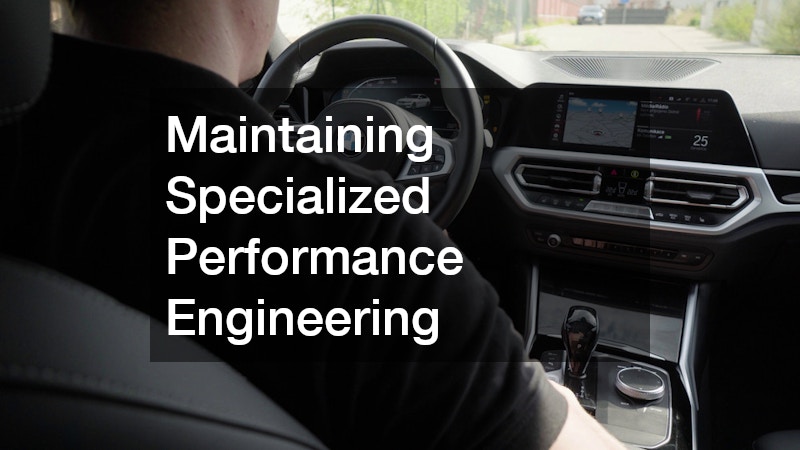
Performance vehicles from brands like BMW, Mercedes, and Audi require a different level of care compared to standard domestic or economy cars. These machines often feature complex turbocharged engines, intricate suspension systems, and specialized onboard computers that require expert diagnostic tools. Finding qualified European car mechanics is essential for owners who want to ensure their high-end vehicles receive the precise maintenance they need to function correctly. These specialists have the training and experience required to handle the unique engineering quirks found in foreign luxury and sports cars.
Specialized vehicles often have strict maintenance schedules that must be followed to prevent catastrophic engine or transmission failure. Using the wrong fluids or generic parts can lead to performance issues and may even void the manufacturer’s warranty on newer models. Professional mechanics who specialize in these brands have access to factory-grade diagnostic software and can identify potential problems before they lead to expensive repairs. Investing in brand-specific expertise ensures that your high-performance vehicle continues to provide the exhilarating driving experience it was designed to deliver.
Rehabilitating External Structural Damage
Minor dents and significant frame damage alike require the attention of professionals who understand the complexities of modern vehicle construction. A local auto body shop is the primary resource for restoring the shape and safety of a car after it has been involved in a collision or minor scrape. These facilities use frame-straightening machines and precision measurement tools to ensure the vehicle’s chassis is perfectly aligned with the original factory dimensions. Proper bodywork is essential for ensuring that the car’s safety features, such as crumple zones, function correctly.
Beyond structural integrity, body shops focus on the fine details of panel alignment and paint matching to return the vehicle to its original appearance. They handle everything from replacing damaged bumpers and fenders to repairing deep gouges in the metal or plastic body panels. High-quality bodywork is a combination of heavy-duty mechanical repair and artistic skill, ensuring that the finished product is indistinguishable from the rest of the car. Choosing a reputable shop ensures that the work is backed by a warranty and that the vehicle’s long-term durability is fully restored.
Ensuring Manufacturer Standard Restorations
For owners of premium vehicles, maintaining the integrity of the original design is a top priority when dealing with any form of collision damage. Seeking out an Acura certified collision repair facility ensures that the technicians working on the car have been specifically trained by the manufacturer to use approved parts and methods. These certified shops have access to proprietary data and specialized tools that are not always available to general repair facilities. This level of specialization is critical for maintaining the specific safety ratings and performance characteristics of high-end automotive brands.
Manufacturer certification provides an extra layer of assurance that the vehicle will be returned to the exact specifications it had when it left the factory floor. This includes the use of genuine OEM parts, which are designed to fit perfectly and function exactly like the original components. Certified repairs also help protect the vehicle’s resale value, as documented work from an authorized facility is highly desirable to future buyers. By choosing a certified shop, you ensure that your luxury vehicle remains as safe and reliable as the day you first drove it.
Tuning Specialized Two-Wheeled Transportation
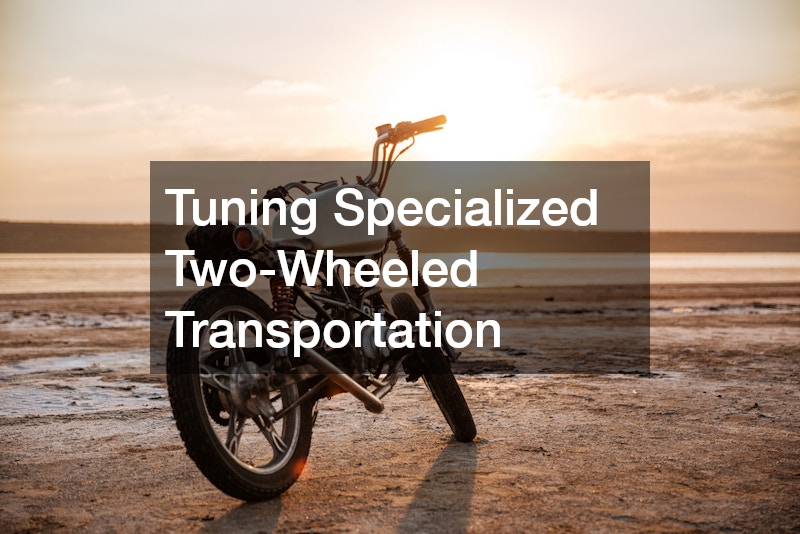
Motorcycles require a unique approach to damage management because they lack the protective shell and structural redundancy of four-wheeled vehicles. Small issues with the tires, brakes, or chain can quickly become life-threatening problems for a rider on the open road. Regular visits to professional motorcycle shops are necessary to ensure that every component is in perfect working order and that the bike is safe for high-speed operation. These specialized facilities handle everything from routine oil changes and tire replacements to complex engine rebuilds and suspension tuning.
Maintaining a motorcycle involves a high degree of preventative care, as the mechanical parts are often exposed to the elements and subjected to high stress. Riders must be diligent about checking for signs of wear, such as fraying cables or leaking seals, which can indicate that a more significant repair is needed soon. Professional mechanics can provide expert advice on upgrades and modifications that enhance both the performance and the safety of the bike. Staying proactive with maintenance ensures that your motorcycle remains a reliable and enjoyable machine for commuting, touring, or weekend riding.
Recycling Unusable Vehicle Components
When a vehicle reaches the end of its useful life due to extreme age or catastrophic damage, disposing of it responsibly becomes the final stage of ownership. Selling the car to a local scrap yard is an effective way to clear space and recoup a small amount of money from the salvageable metal and parts. These facilities specialize in dismantling vehicles and recycling the steel, aluminum, and other materials to be used in new manufacturing processes. This environmentally friendly approach ensures that the vehicle’s components don’t end up in a landfill.
Scrap yards often pull usable parts from salvaged vehicles, such as alternators, starters, and body panels, which can be sold to other owners looking for affordable repair options. This creates a sustainable cycle of reuse that helps keep older cars on the road while providing a secondary market for rare or discontinued components. For the owner, a scrap yard offers a hassle-free way to dispose of a non-running or totaled car that would otherwise be difficult to sell. It is a practical conclusion to the journey of vehicle ownership, ensuring that even a dead car has some value.
Ultimately, the goal of vehicle damage management is to ensure that your car remains a reliable tool for transportation while protecting your significant financial investment. Whether you are dealing with a routine maintenance task or the aftermath of a major collision, having a clear plan and knowing where to go for help makes all the difference. As automotive technology continues to evolve, staying informed about the latest repair methods and service options is essential for every driver on the road today. By following these proven methods, you can ensure that your vehicle stays roadworthy and safe for many years and thousands of miles to come.