Wheels and tires are fundamental components that play crucial roles in the performance and safety of your vehicle. The wheels provide the structure, whereas the tires ensure grip and manage road contact. Understanding the relationship between these two parts is essential for proper vehicle maintenance.
Many drivers overlook the importance of regularly checking their wheels and tires, which can lead to potential safety issues. It is essential to know the specifications and requirements of your vehicle’s wheels and tires to ensure compatibility and performance.
The first step is to familiarize yourself with the different types of wheels and tires available in the market. Tires come in a variety of forms, such as all-season, winter, and performance models, each designed to serve particular needs and conditions. Similarly, wheels differ in material and design, ranging from steel to alloy, affecting the overall weight and aesthetic of the vehicle. By understanding these differences, you can make informed decisions that align with your driving style and environmental conditions. Given the diversity in available options, consulting with a tire specialist can provide tailored recommendations.
Moreover, tire sizing information, which is usually inscribed on the tire sidewall, provides insights into the tire’s capabilities. This code denotes the tire’s width, aspect ratio, and diameter, essential details that must match the specifications for your vehicle. Understanding this code will help you select the right tires that not only enhance performance but also ensure safety. If incorrect tires are used, it could severely affect handling and fuel efficiency. Thus, regular inspection and understanding your tire’s specifications are vital for optimal vehicle operation.
Maintenance is Key for Longevity
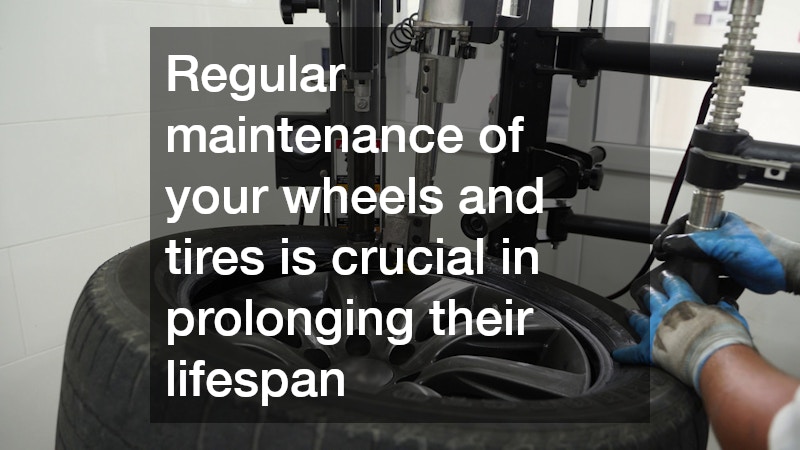
Regular maintenance of your wheels and tires is crucial in prolonging their lifespan and ensuring a safer driving experience. Checking tire pressure at least once a month is recommended as it directly affects fuel efficiency and tire wear. Underinflated tires can lead to increased rolling resistance, thus consuming more fuel and causing uneven wear. Conversely, overinflated tires may lead to a decrease in traction and an uncomfortable ride. Therefore, using an accurate tire pressure gauge is important for maintaining optimal tire pressure.
Another significant aspect of tire maintenance is ensuring proper alignment and balancing. Misalignment can cause uneven tire wear and increase the wear and tear of your vehicle’s suspension. Regularly scheduled alignment checks can prevent these issues and ensure a smoother ride. Additionally, tire balancing at regular intervals helps maintain even weight distribution across the wheels, preventing vibrations and enhancing driving comfort. Improperly maintained wheels and tires can lead to severe accidents, making regular check-ups indispensable.
Rotating your tires every 5,000 to 8,000 miles is also recommended to promote even tire wear. Different driving conditions and maintenance habits can cause tires to wear out at different rates, making regular tire rotation crucial. This process increases the lifespan of the tires, improving overall performance and safety. Maintaining a regular rotation schedule prevents the need for premature tire replacements. It’s a simple practice that can lead to significant cost savings over time.
The Impact of Driving Habits
Driving habits significantly influence the wear and performance of your vehicle’s wheels and tires. Aggressive driving behaviors such as rapid acceleration, hard braking, and sharp turns can cause unnecessary strain on both the tires and wheels. This type of driving increases the likelihood of tire tread wear and may cause damage to the wheel integrity. Mindful driving not only enhances safety but also prolongs the life and effectiveness of wheels and tires. By altering driving habits to be smoother and gentler, you can enhance your vehicle’s overall performance.
In addition to personal driving habits, road conditions play a pivotal role in wheel and tire maintenance. Potholes, speed bumps, and uneven surfaces can cause significant wear and tear if encountered frequently. Being cautious and reducing speed over rough terrain can help in maintaining the integrity of your wheels and tires. Also, keeping an eye on tire tread depth is critical for ensuring proper traction in all road conditions. Ensure to replace tires once the tread depth reaches the minimum safety margin.
Environmental factors such as temperature and weather conditions also have an impact on your tires. For instance, extreme heat can increase tire pressure, potentially leading to blowouts, while colder temperatures may reduce pressure, compromising the performance. Understanding how different conditions affect your tires will help maintain optimal operating performance. Selecting the right type of tire for the season aids in managing these risks effectively. Prioritizing the highest safety standards should be the main focus of any driver.